Emotions in strategic decision-making
For the past 15 years, we have studied leaders' decision-making and actions within organizations. On this page, we have compiled the most fascinating insights from our research, shedding light on the cognitive, emotional, and contextual factors that shape leadership and decision-making. You will learn, why great leaders make really bad decisions – and how you can do better!
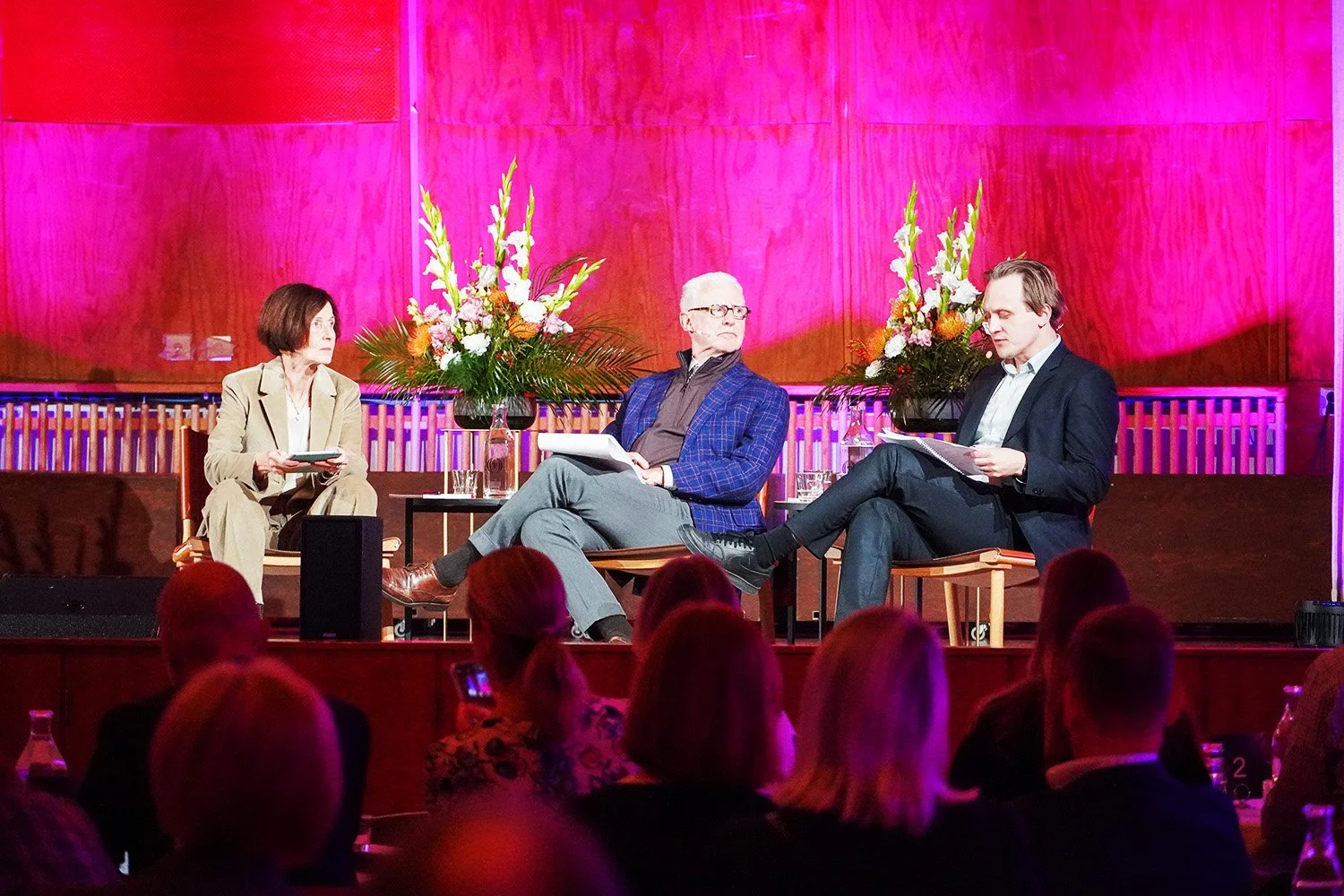
Aalto Leaders’ Insight: Executive Arena Panel Discussion
Photo: Aalto University / Mikko Raskinen
“Top managers ultimately favored the emotionally attractive option, despite analytical evidence suggesting otherwise.”
— Vuori & Tushman, 2024
How Leaders Can Harness Emotions to Drive Strategic Change
In this Harvard Business Review article, Timo Vuori and Quy Huy explore how Nokia's leadership embraced the emotional dimensions of strategy to drive a remarkable organizational transformation. They provide valuable lessons for leaders on integrating emotional intelligence into strategic initiatives.
-
Recognize Emotional Dynamics in Strategy:
Nokia’s leaders understood that emotions such as fear, pride, and hope significantly impact employees' ability to adapt to change. Addressing these emotions helped rebuild trust and foster engagement.Create a Shared Sense of Purpose:
A clear and inspiring vision was central to Nokia’s transformation. Leaders unified employees by emphasizing a shared mission that energized the organization.Foster Open Dialogue:
Leaders encouraged honest conversations, allowing employees to voice concerns and aspirations. This transparency helped overcome emotional resistance to change.Empower Teams Through Action:
By involving employees in implementing strategic changes, Nokia’s leadership fostered ownership and commitment, turning strategy into action.Balance Rational and Emotional Messaging:
Effective strategy requires both logic and emotion. Nokia’s leaders combined data-driven arguments with emotionally resonant storytelling to inspire and motivate employees.
Leadership Implications:
This case demonstrates that successful strategic transformations require leaders to address both the rational and emotional aspects of change. By understanding and leveraging the emotional drivers of their teams, leaders can unlock energy, creativity, and resilience, enabling their organizations to thrive in dynamic environments.
Read the full article from here: How Nokia Embraced the Emotional Side of Strategy
“Emotions, when regulated across groups, do not paralyze decision-making but instead facilitate constructive reappraisals.”
— Vuori & Huy, 2022
Lessons from the Depths of Organizations: Insights from Qualitative Research
-
What did we do?
We conducted 19 interviews to explore organizational dynamics and challenges, focusing on:
Leadership practices and their impact on organizational culture and performance
Perceptions of collaboration, communication, and operational effectiveness within different organizational levels
Emotional and relational dynamics influencing employee engagement and decision-making
What did we learn?
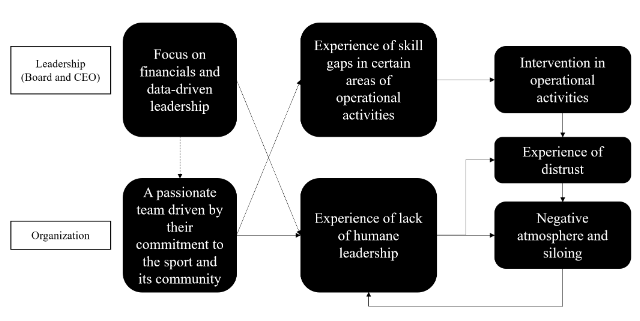
Leadership was seen as overly focused on financial metrics ("Excel-driven"), neglecting human and emotional aspects. Employees desired a more human-centric leadership approach to align with their passion for their work
Result: Suppressed emotions led to frustration and a negative atmosphere
Lesson: Overemphasis on performance metrics can alienate employees and suppress their passion for work. Cultivate a leadership style that values employees as individuals, acknowledges their emotions, and aligns their passion with organizational goals
“There’s potential for great collaboration with the board, but instead, it feels like interference.”
Boards felt their expertise was underutilized, while employees perceived the board's involvement as interfering and disconnected. Decision-making processes were seen as hierarchical, with limited inclusion of operational staff
Result: Misalignment created mutual distrust and inefficiencies in decision-making
Lesson: Promote open communication and clearly define the roles and expectations of governance and operational teams
“It feels like we are being led like a corporation, but what we need is leadership that acknowledges people, not just numbers.”
The organization was perceived as divided into silos, with limited communication across departments. Employees reported a lack of clarity in roles and responsibilities, leading to inefficiencies and duplicated work
Result: A sense of isolation, lack of trust, and challenges in achieving shared goals
Lesson: Provide clear structures, empower employees to make decisions, and trust them to execute effectively. Invest in tools and processes that encourage interaction across departments and emphasize collective organizational goals
“We learn about decisions from the news rather than from internal communication.”
Internal communication was considered insufficient, leading to surprises and confusion about decisions. Employees expressed difficulty speaking openly with supervisors and feared making decisions due to potential backlash
Result: A lack of psychological safety hindered collaborative and proactive problem-solving
Lesson: Employees need safe environments to voice ideas and accept failures without fear of retribution. Create a culture of trust where mistakes are seen as learning opportunities, and open communication is encouraged
Contact Suvi-Tuuli if you want to learn more about the method and findings
-
What did we do?
In a M&A situation, we interviewed five key individuals from the target organization. A private equity firm was acquiring a professional services organization.
Before the deal was finalized, both parties sought to clarify the cultural factors critical to the organization and its identity, as well as the challenges that could hinder potential future expansion
“At the time I joined, we had great things going on—amazing projects. I couldn't imagine anything greater in Finland to be a part of.”
What did we learn?
Ambitious, societally meaningful projects have strong influence on professionals’ motivation
Good: The spirit is shared among the key members; different types of people share a professional identity and are able to pursue their work in the professional service organization
Do not break: The organization's ambitious and holistic way of approaching the projects
Challenge: Personalization of connections and lack of current participation in competitions
Decentralized decision-making and needs-based resourcing in projects creates efficiency and sense of ownership
Good: Needs-based resourcing and decentralized, project-specific decision-making enable the organization to operate efficiently
Do not break: Independent team operations and respect for diversity
Challenge: Maintaining an overview of projects and employees, as well as the cultural orientation of new employees (especially those recruited from foreign backgrounds). Remote work can also pose challenges for cultural learning
“Our strength lies in our ability to react dynamically to the varying needs of different projects. Some individuals might be engaged in a project for over two or three years, while others may find themselves moving from one project to another, working on shorter assignments. [...] This approach ensures that everyone knows each other, as they collaborate across different projects.”
Centralized organizational decision-making brings clarity, but the organization’s connections to society are personalized to key people and the company is dependent on them
Good: Centralized organizational decision-making creates clarity for the organization’s identity and strategic work
Do not break: Organizational-level clarity in strategic decision
Challenge: Personalization of connections and the sharing of organizational-level information among a larger number of people
“Of course, it is personalized on some level to them. They (the key members) have made all work.”
Contact Suvi-Tuuli if you want to learn more about the method and findings
“Strategy making requires constant option generation, assumption testing, and dynamic updates. In Elävä Strategia book, we show how companies can systematically generate scenarios, evaluate them, and update their choices in a flexible way. This allows them to both adapt dynamically and perform consistently”
— Ritakallio & Vuori, 2018